Automatic Generators: The Essential Fix for Continuous Electricity
Power backup systems serve as a vital safeguard from electricity outages. They function seamlessly, activating within seconds following an interruption. Powered by different energy types, they make certain homes and businesses remain operational when disaster strikes. Yet, understanding their benefits and features is vital for achieving an informed decision. Which factors must be reviewed before investing in such a system? The following sections will explore these important factors.
Understanding Standby Generators: The Functionality
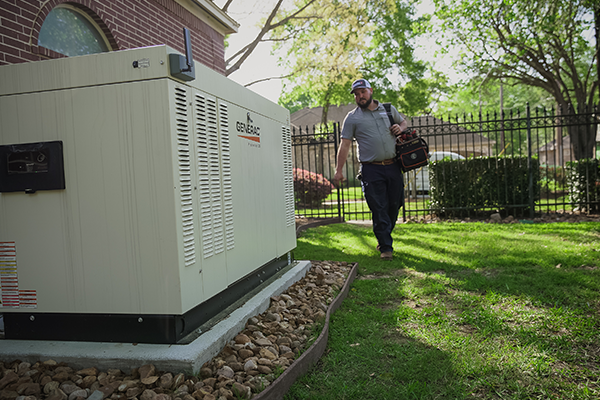
Automatic generators are vital systems which deliver instantaneous reserve energy during outages. They are typically installed on the exterior of the property, wired into the power grid and running on gas, propane, or diesel. When a power interruption occurs, the system recognizes the lack of power and starts up instantly. This process involves an automatic transfer switch, that isolates the property from utility power and switches the load to the generator
(Portland Standby Generators)The unit subsequently generates power, feeding electricity to vital loads or the entire facility, based on its size. Typically, these generators have a built-in monitoring system that confirms optimal performance and upkeep. They can operate for extended periods, providing a reliable power source until the public power returns. Grasping how backup generators work enables users to see their importance in boosting electricity safety and minimizing disruptions when the power suddenly fails
Benefits of Installing a Standby Generator
Dependability is a read here major benefit when putting in a backup system, since it ensures continuous electricity during blackouts. This crucial capability ensures that homes and businesses remain operational, securing critical items and upholding livability. In addition, these generators improve protection through the avoidance of electricity loss that could lead to hazardous situations, such as pipe damage or critical device shutdowns.
Value for money is a key positive aspect; while the initial investment may be high, the future financial benefits from avoided food spoilage, operational downtime, and unexpected fixes can be significant. Moreover, these generators boost the home's worth, positioning them as an attractive feature for prospective purchasers.
The ease of use is also important, as they turn on automatically during an outage, doing away with the requirement for human involvement. This uninterrupted functionality lets people to keep up their normal schedules without disruption. In conclusion, installing a standby generator offers peace of mind, guaranteeing that power is readily accessible when it matters most.
Important Attributes to Consider in a Backup Power System
When choosing a standby generator, a few vital attributes need to be taken into account to ensure optimal operation and suitability for specific needs. Initially, the wattage capacity is crucial; prospective owners must figure out the needed capacity to run critical equipment during an outage. Additionally, the type of fuel—whether NG, LP, or diesel—impacts performance and long-term expenditures.
An additional key element is the transfer switch, which enables smooth transition of power and improves security. Construction and longevity are key factors; a sturdy unit can cope with extreme weather.
Moreover, how loud it is needs evaluation, as less noisy generators are ideal for neighborhood settings. Certain models include auto-start functions, providing convenience during sudden power failures. Finally, guarantee and maintenance plans should be reviewed, ensuring dependable assistance and maintenance. By evaluating these features, prospective buyers can select a standby generator that meets their unique power needs successfully.
Elements to Evaluate Before Purchase
Before committing to a standby generator, potential buyers should thoroughly review a few vital considerations to guarantee they make an informed decision. Portland Standby Generators. Initially, they must determine their wattage demands by figuring out the necessary capacity to operate critical systems during an outage. Secondly, the fuel type is vital; options include natural gas, propane, or diesel, each possessing specific upsides and availability considerations
Furthermore, purchasers must evaluate the generator's power switch mechanism, which ensures easy power switching. Installation details are also important, because specific units may necessitate a certified installation or acquiring a permit
Service agreements and warranties deserve close attention, because they influence your satisfaction over time. Lastly, those considering a purchase must check how loud the generator is, particularly if they reside in residential areas. By considering these elements, customers may pick a standby generator that fulfills their particular requirements and desires
Maintenance Tips for Your Standby Generator
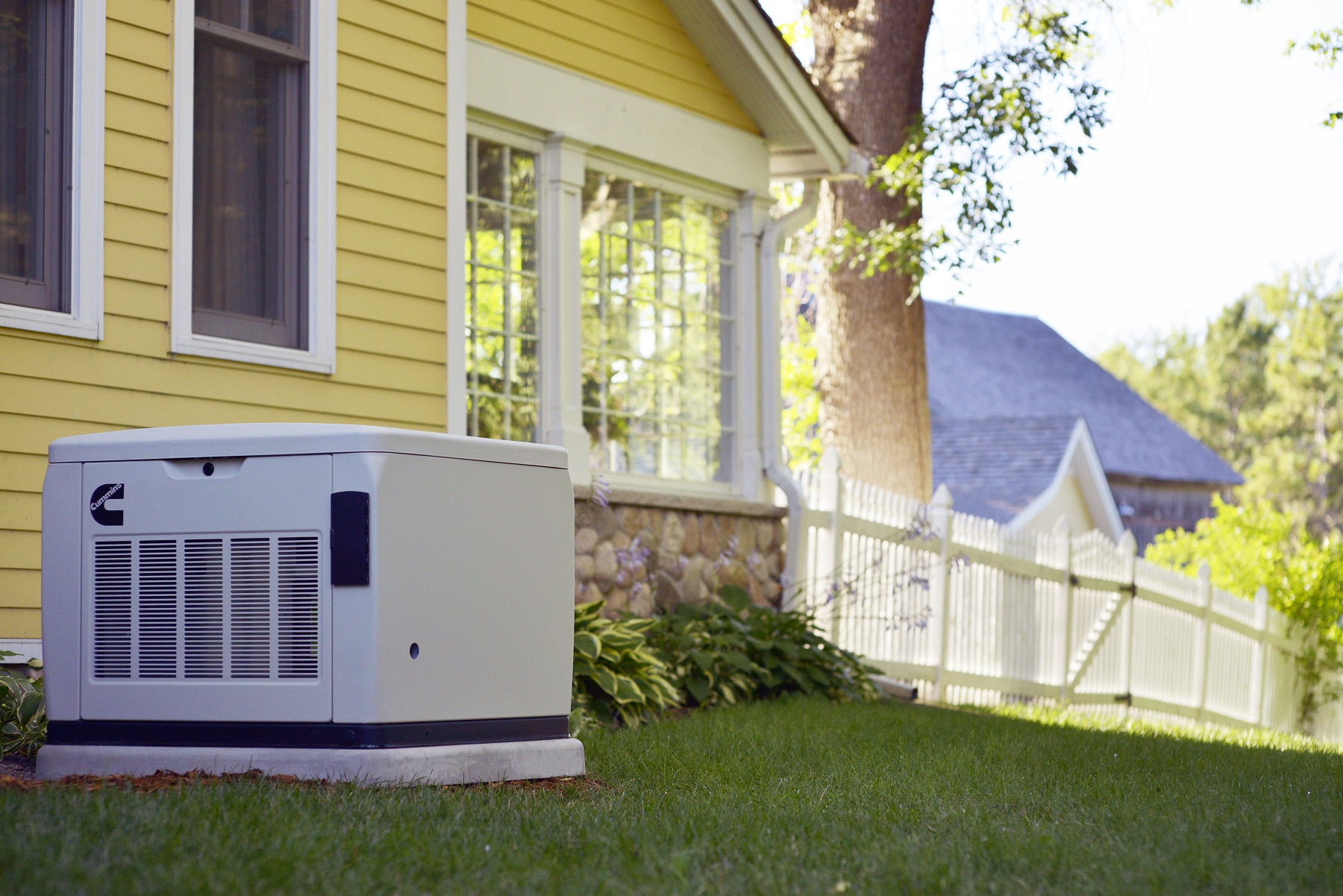
Routine servicing is crucial to ensure optimal functioning and the long life of a backup generator. Start by examining how much oil the generator has, changing the oil and filter as recommended by the maker. Inspect the air filter often and change it when needed to maintain the best airflow. It is crucial to check the battery cleaning corrosion from the terminals to ensure it starts reliably.
Conduct periodic load tests to ensure the unit can bear the capacity it is rated for. Additionally, verify that the exhaust is clear of blockages and leaks. Maintaining a clean, debris-free generator helps avoid overheating and problems.
As a final step, schedule professional maintenance at least once a year to fix any issues that might arise and conduct thorough checks. Following these maintenance tips can maximize the longevity of a standby generator, offering reassurance during power outages.
Frequently Asked Questions
What is the Average Cost of Standby Generators?
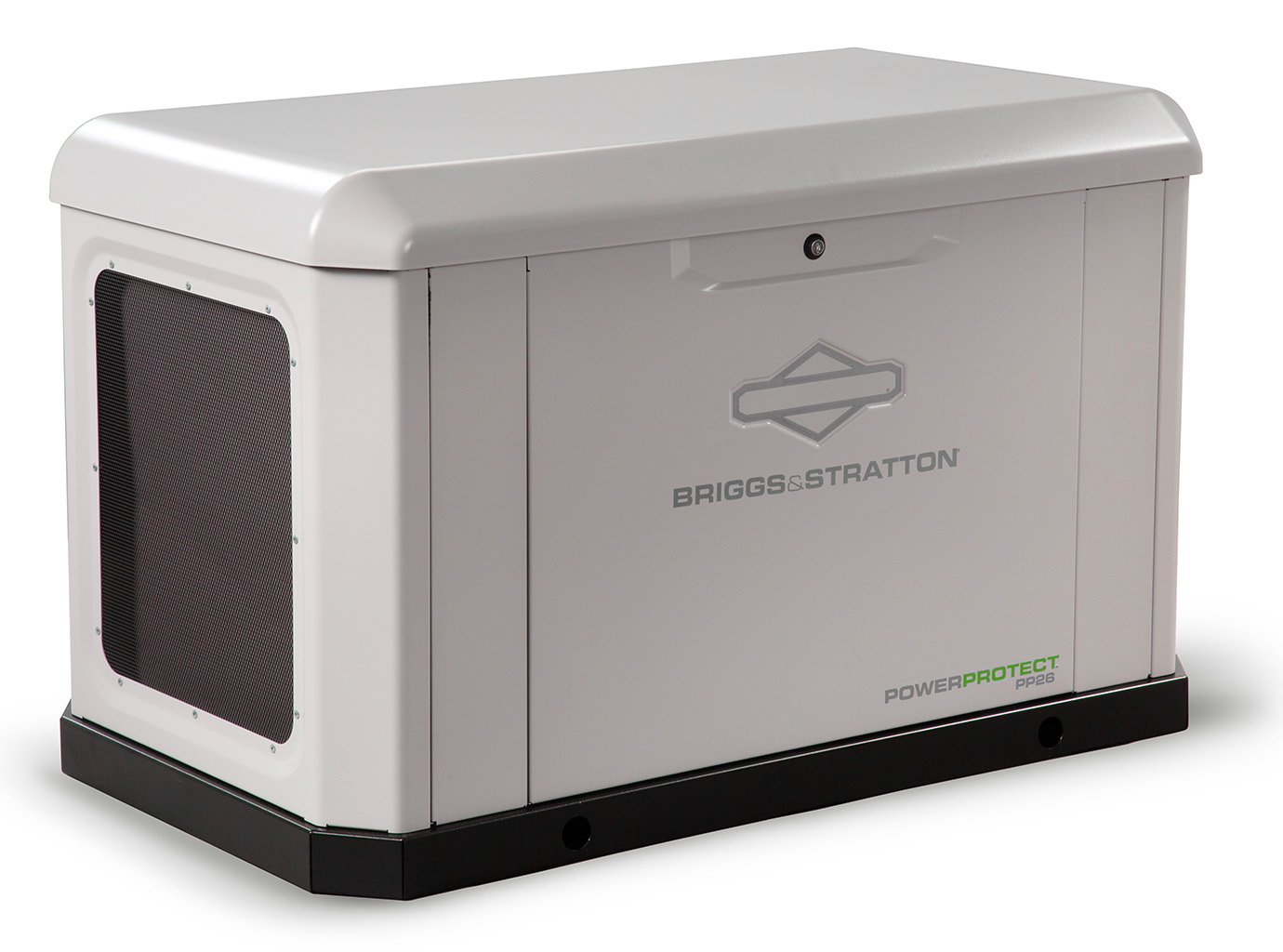
Backup generators usually range between $2,000 and $15,000, depending on factors such as power output, brand, and installation complexity. Additional expenses may include fuel tanks, permits, and ongoing maintenance, affecting the total investment needed.
Can I Install a Standby Generator Myself?
It is possible to install a standby generator yourself, but you must have knowledge of local regulations and electrical systems. It is highly recommended getting a contractor to guarantee safety, adherence to regulations, and optimal functioning of the generator installation.
Which Types of Fuel Power Standby Generators Use?
Standby generators commonly run on energy sources such as gasoline, propane, natural gas, or diesel. Portland Standby Generators. The choice of fuel is usually determined by the cost, availability, and particular power requirements, which impacts the functioning and efficacy of the generator
Are There Any Permits Required for Installation?
Absolutely, installation permits are usually mandated for the installation of standby generators. The specific codes change based on the locale, so it is vital for those installing the unit to speak to the municipal government to verify conformance with all relevant codes and requirements.
What is the Maximum Continuous Runtime Continuously?
A standby generator can run continuously for varying durations, typically ranging from 24 to 48 hours, contingent upon the demands and the fuel source. Regular maintenance guarantees optimal functioning and extended lifespan during long running times.